Key takeaways
- Pro: The all-terrain category suits trucks that split time between pavement and dirt.
- Pro: A familiar line makes it easy to find sizes and compare notes with other owners.
- Con: All-terrain tread is noisier than a highway touring tire, and fuel economy usually dips a little.
Picture a pickup that spends five days a week on the interstate, then heads up a washboard forest road on Saturday to reach a trailhead. Highway tires get nervous on loose gravel, while full mud tires drone and wear fast on asphalt. All terrain tires exist to cover that middle ground, and the right set depends on how much of your driving is actually off pavement.
This guide compares seven well-known all terrain lines by name, explains what to check before buying, and flags the trade-offs that follow from each tire type. As of 2026 the category is crowded, so the goal is to narrow your list quickly and show who should look elsewhere.
Quick Picks
| Product | Best for | Worth knowing |
|---|---|---|
| BFGoodrich All-Terrain T/A KO2 | Mixed trail and highway trucks | Named as an all-terrain tire from a long-running off-road brand |
| Falken Wildpeak A/T3W | Drivers who see wet and wintry roads | The “A/T” in the name marks it as all-terrain |
| Toyo Open Country A/T III | Daily drivers with weekend trail plans | Third generation of the Open Country A/T line |
| General Grabber A/TX | Truck owners who want a rugged look | Part of the Grabber family from General |
| Cooper Discoverer AT3 4S | Year-round use across seasons | The “4S” in the name points to four-season intent |
| Nitto Terra Grappler G2 | Light trucks and SUVs | Second generation of the Terra Grappler |
| Yokohama Geolandar A/T G015 | SUVs and crossovers going light off-road | Geolandar is Yokohama’s SUV and truck family |
How to Choose
Match the load rating to your vehicle
Look at the tire sidewall and the placard in your driver’s door jamb. Light truck tires carry an LT prefix and a load range letter, with E being a common heavy-duty rating, while passenger-metric sizes lack the letter. A good rule of thumb is to never drop below the load index printed on your placard, and to step up one load range only if you tow or haul regularly. Higher load ranges ride firmer when the bed is empty.
Look for the three-peak mountain snowflake symbol
If winter driving matters, check the sidewall for a mountain with a snowflake inside it. That symbol means the tire met a standardized snow traction threshold, which the plain M+S marking does not guarantee. Many all terrain tires carry only M+S, so if you see regular snow or ice, the symbol is the dependable filter. Without it, expect compromised stopping on packed snow.
Check the tread block and void layout
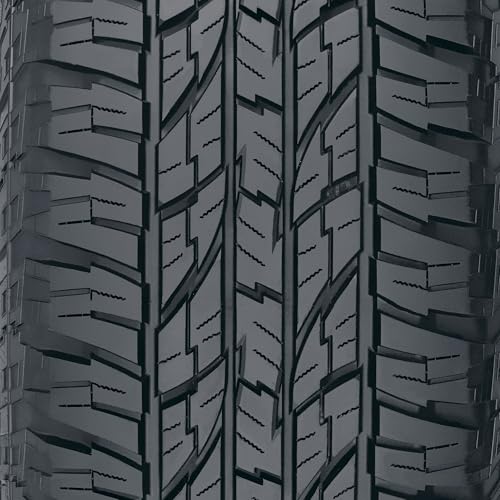
All terrain tires use moderately open tread with stone ejectors and siping, unlike the very large lugs of mud tires. As a guideline, more siping helps wet and snowy traction and quiets the ride, while larger voids clear mud and gravel better but add road noise. Pick the balance that mirrors your weekly split: mostly pavement points to tighter tread, frequent dirt points to bolder blocks.
Confirm size, diameter, and clearance
Stay within one size step of the factory diameter unless you are ready to regear or recalibrate the speedometer. Larger all terrain sizes need wheel-well clearance at full steering lock and at suspension compression. Measure the gap before ordering, and ask an installer to confirm that the wheel offset and the new width will not rub on turns.
Our Picks Reviewed
BFGoodrich All-Terrain T/A KO2

BFGoodrich All Terrain T/A KO2 Radial Car Tire for Light Trucks, SUVs, and Crossovers, LT265/70R17/C 112/109S


As an Amazon Associate we earn from qualifying purchases. Product prices and availability are accurate as of the date/time indicated.
This is the pick for owners who want a recognized all-terrain name from an off-road brand. The listing describes it as an all-terrain tire, which implies a balance of highway manners and loose-surface grip. Buyers comparing several lines often start here because the name signals a tire designed for light trails rather than a street compromise, though that purpose should still be matched to how often you actually leave the road.
- Pro: The all-terrain category suits trucks that split time between pavement and dirt.
- Pro: A familiar line makes it easy to find sizes and compare notes with other owners.
- Con: All-terrain tread is noisier than a highway touring tire, and fuel economy usually dips a little.
Skip it if your truck almost never leaves paved roads, since a touring tire will be quieter and cheaper to run. Also pass if your vehicle is a small front-drive crossover, where an oversized truck tire adds weight and cost without much benefit.
Falken Wildpeak A/T3W

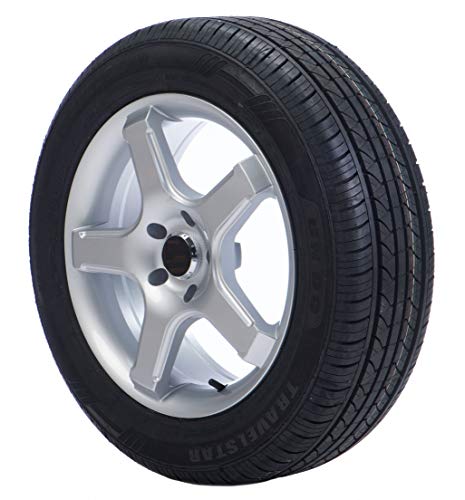
Falken Wildpeak A/T3W all_ Terrain Radial Tire-245/75R17 112T | Truck/SUV All Terrain All Weather Traction 112T Rated Standard Load Radial Construction Raised Black Letters Tire




As an Amazon Associate we earn from qualifying purchases. Product prices and availability are accurate as of the date/time indicated.
The Wildpeak name positions this as Falken’s all-terrain option, and the A/T3W label marks it as the third generation of that tire. It fits drivers who want one set for the whole year. Shoppers should still verify the exact size, load index, and any winter marking for their vehicle, because a name alone does not confirm every fitment detail or seasonal capability.
- Pro: As an all-terrain design it should handle gravel and dirt roads better than a street tire.
- Pro: A mature, multi-generation line usually means a wide size range for trucks and SUVs.
- Con: Like most tires in the class, expect more road hum than a dedicated highway model.
Skip it if you need aggressive mud performance, because a mud-terrain tire will clear thick muck far better. Also pass if you drive a low-slung sedan, because this line is built around trucks and SUVs rather than passenger cars.
Toyo Open Country A/T III

Toyo Open Country A/T III 35X12.50R17LT C/6 PLY
As an Amazon Associate we earn from qualifying purchases. Product prices and availability are accurate as of the date/time indicated.
The Open Country A/T III is Toyo’s third-generation all-terrain line. It aims at trucks and SUVs that drive daily and venture off pavement occasionally. Think of it as a reasonable first step off the pavement for owners who are not ready to give up quiet daily driving, provided they accept the typical noise penalty of the category.
- Pro: Being all-terrain, it balances daily commuting with trail trips better than a pure mud tire.
- Pro: Established generation numbering suggests refinements over earlier versions of the line.
- Con: Tread voids that handle dirt also add some noise at highway speeds.
Skip it if your priority is the quietest, most efficient commute, or if rock crawling with deflated tires is your main plan. Also pass if you want a tire matched to a heavily lifted rig with oversized wheels, where mud-focused designs are the more common choice.
General Grabber A/TX

General Tire Grabber A/TX All Terrain 205/75R15 97T Light Truck Tire | Passenger All Terrain All Season Traction 97T Rated Standard Load Radial Construction Raised White Letters Tire


As an Amazon Associate we earn from qualifying purchases. Product prices and availability are accurate as of the date/time indicated.
The Grabber A/TX comes from General’s Grabber family and carries the A/T designation for all-terrain use. It suits owners who like a rugged tire appearance with road-friendly intent. Owners who like a purposeful look often appreciate it on lifted or leveled trucks, but appearance should never outrank size accuracy, load rating, and clearance checks.
- Pro: All-terrain construction offers a practical middle path between street and mud tires.
- Pro: The Grabber line covers many truck and SUV sizes, which widens fitment options.
- Con: A more open tread than a touring tire can raise cabin noise and wear faster on pavement.
Skip it if you drive a small crossover that never sees gravel, as lighter tires will feel better. Also pass if long highway commutes dominate your week, since the open tread category tends to wear faster under constant high-speed mileage.
Cooper Discoverer AT3 4S
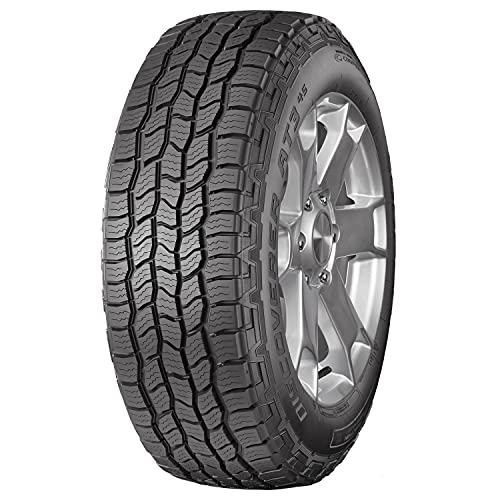
Cooper Discoverer AT3 4S All-Season 265/50R20XL 111T Tire | Truck/SUV All Terrain All Weather Traction 111T Rated Extra Load Radial Construction Black Sidewall Tire


As an Amazon Associate we earn from qualifying purchases. Product prices and availability are accurate as of the date/time indicated.
The “4S” in the name signals four-season intent, and the AT3 marks it as an all-terrain model. It is aimed at drivers who want one tire through every season. That broad promise is attractive for households with a single truck or SUV, yet buyers in snowy regions should still confirm the official snow marking before treating it as a winter substitute.
- Pro: Four-season positioning suits regions with mixed weather where swapping tires is a hassle.
- Pro: All-terrain tread covers light trails and gravel roads.
- Con: Tires built for every season usually do not excel at any single extreme.
Skip it if you live where deep snow is routine and need a dedicated winter tire, or where extreme off-roading is the goal. Also pass if you want maximum off-road bite, because year-round versatility normally comes at the expense of specialized trail traction.
Nitto Terra Grappler G2
The Terra Grappler G2 is the second generation of Nitto’s Terra Grappler line, built for light trucks and SUVs that want a stronger tread pattern than a standard tire. It is a sensible shortlist candidate when you want something between a commuter tire and a full mud tire, as long as you are comfortable with the louder ride the category brings.
- Pro: A bolder tire name and design suits trucks that get regular unpaved use.
- Pro: Second-generation naming implies updates to an established design.
- Con: Rugged tread patterns are usually louder and may wear sooner on pavement.
Skip it if your driving is almost entirely highway commuting, where a touring tire is the sensible tool. Also pass if ride comfort and low road noise are your first priorities, or if you want the longest possible tread life for a high-mileage commute.
Yokohama Geolandar A/T G015

Yokohama Geolandar A/T G015 | Truck/SUV All Terrain All Weather Traction 102T Rated Standard Load Radial Construction Outlined White Letters Tire




As an Amazon Associate we earn from qualifying purchases. Product prices and availability are accurate as of the date/time indicated.
Geolandar is Yokohama’s SUV and truck family, and the A/T G015 designation places this model in the all-terrain group. It targets crossovers and SUVs that occasionally leave the road. Shoppers with a mid-size SUV or crossover will find the idea appealing because it avoids stepping up to oversized, heavy truck tires, though sizes should be confirmed against the door placard.
- Pro: All-terrain tread gives added confidence on dirt roads compared with passenger tires.
- Pro: The Geolandar family typically covers a spread of SUV and light-truck sizes.
- Con: Expect more noise and a slightly harsher ride than touring or highway tires.
Skip it if comfort is your top concern or if you rarely drive on anything but smooth asphalt. Also pass if your trails involve deep mud or rock crawling, which call for a more aggressive tread than an all-terrain design can offer.
Which One Fits
- Daily driver with trail weekends: the Toyo Open Country A/T III or the BFGoodrich All-Terrain T/A KO2.
- Four-season use without a tire swap: the Cooper Discoverer AT3 4S.
- Wet and wintry roads: the Falken Wildpeak A/T3W, then confirm the snowflake symbol on your exact size.
- SUV or crossover with light dirt use: the Yokohama Geolandar A/T G015.
- Rugged look with road manners: the General Grabber A/TX or Nitto Terra Grappler G2.
- Deep mud on a regular basis: step up to a mud-terrain option such as those in our mud-terrain tire roundup for Jeeps.
Common Mistakes
- Buying an aggressive tire for a vehicle that stays on pavement, then living with the noise and wear.
- Ignoring the load range and picking a passenger-metric size for a truck that tows.
- Assuming M+S means winter-ready when the snowflake symbol is the stronger signal.
- Choosing a larger diameter without checking wheel-well clearance and speedometer error.
- Replacing only two tires on an all-wheel-drive or four-wheel-drive vehicle, which can stress the drivetrain when tread depth differs.
FAQ
Are all terrain tires good for highway driving?
They are acceptable for daily highway use, but they are noisier and often less efficient than touring tires. Most buyers accept this in exchange for added grip on dirt and gravel.
How is an all terrain tire different from a mud terrain tire?
All terrain tread is tighter and more pavement-friendly, while mud terrain tread has large lugs and wide voids. If you need the second kind, see the best mud terrain tires for Jeeps.
Do I need all terrain tires if I just want better winter traction?
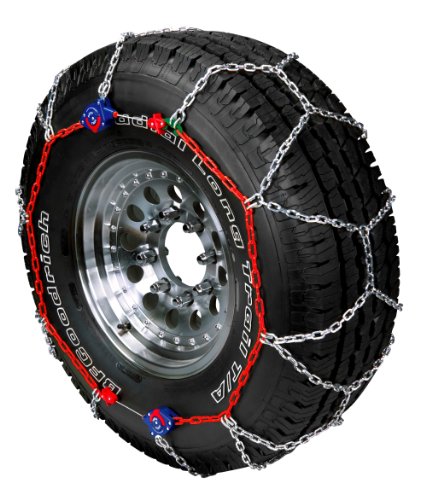
Not necessarily. Look for the three-peak snowflake symbol, and compare options in our guide to the best tire chains for severe conditions.
How long do these tires usually last?
Treadwear varies by model and driving habits. Compare the manufacturer’s mileage warranty where one is offered and rotate the tires on a regular schedule.
Can I mix tire brands on one vehicle?
It is better to keep all four tires the same model and size, especially on four-wheel-drive vehicles, so the rolling circumference stays matched.