Key takeaways
- Pro: A compact size is easy for small hands to hold and fits in a backpack or a car seat pocket.
- Pro: A kid-focused edition usually bundles a protective case and child-friendly controls.
- Con: A small screen is less comfortable for reading long books or sharing a movie with two children.
Before a long drive, most parents want the same thing: a tablet that survives a dropped-on-the-floor moment, keeps the screen time in check, and does not need a computer science degree to set up. Choosing for a six-year-old and choosing for a twelve-year-old are very different jobs, though, so the right answer depends as much on age and house rules as on hardware.
The six tablets below are names that families commonly compare, from kid-focused Fire models to mainstream tablets from Apple and Samsung. Notes stick to what the names tell you and to category-level trade-offs. Always confirm current specifications and parental-control options before buying, since these details change between generations. Tablet generations change often, so as of 2026 treat these names as a shortlist and verify current software support.
Quick Picks
| Product | Best for | Worth knowing |
|---|---|---|
| Fire 7 Kids | Younger children and first tablets | Kids is stated in the name |
| Fire HD 8 Kids | Elementary-age children | HD 8 marks a mid-size model |
| Fire HD 8 Kids Pro | Older kids who have outgrown the toddler look | Pro marks the older-child version |
| Fire HD 10 Kids | Larger screen for video and reading | HD 10 marks a larger size |
| Apple iPad (9th generation) | Families already in the Apple ecosystem | 9th generation is stated in the name |
| Samsung Galaxy Tab A9 | Families who prefer Android | A9 marks Samsung’s entry-level line |
How to Choose
Pick a size that matches the child’s hands and use
A 7-inch tablet is light enough for small hands and fits in a bag, while an 8-inch model strikes a middle ground. A 10-inch tablet suits video, drawing, and shared viewing but is heavier for little arms. A good rule of thumb is that children under six prefer smaller, lighter devices, and older children benefit from a larger screen for homework and reading. Hold a similar-sized tablet in a store if you can, because weight is easy to underestimate until a child has been holding it for twenty minutes.
Look for a durable case and a repair policy
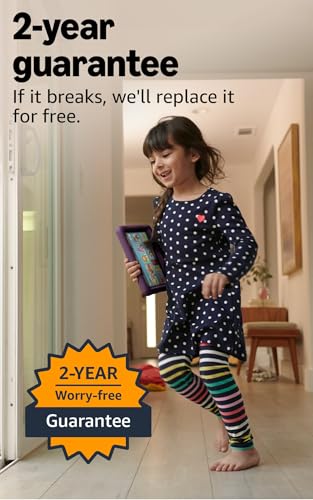
Kids drop tablets. Look for a thick bumper case, and check whether the product comes with a replacement guarantee for accidental damage during the first two years. A case that has a stand or a handle helps for travel, and a screen protector adds a layer of defense. If the tablet does not include a protective case, budget for one right away. Read the replacement terms closely, since some guarantees cover only certain kinds of damage and require the original receipt or registration.
Check parental controls and the content ecosystem
Good parental controls let you set daily time limits, block apps, filter websites, and approve purchases. Kid-focused tablets often include a curated subscription service, while mainstream tablets rely on built-in screen-time features and family-sharing accounts. Check how many child profiles the system supports, because several siblings will share one tablet and need separate limits. Set the controls up together with your child, explain the rules, and review the activity reports weekly, which works better than quiet restrictions.
Consider storage, battery, and support
Storage fills quickly with games, videos, and drawings, so look for expandable storage or at least 32 gigabytes for a child who downloads offline videos. Battery life matters on road trips, and a long runtime in the specifications is worth checking. Choose a brand with a clear update policy, since older tablets that stop receiving updates may become a security concern. Charging overnight outside the bedroom keeps the habit healthy and lets the tablet start the next day with a full battery.
Our Picks Reviewed
Fire 7 Kids
The 7 in the name marks the smallest screen in the Fire family, and Kids tells you it is built for children. It is a natural first tablet for young children who need something light and simple.
- Pro: A compact size is easy for small hands to hold and fits in a backpack or a car seat pocket.
- Pro: A kid-focused edition usually bundles a protective case and child-friendly controls.
- Con: A small screen is less comfortable for reading long books or sharing a movie with two children.
Skip it if your child is a pre-teen who wants a bigger display for games and video or if you want an open-ended tablet for homework. Check the included case and warranty details before buying, since kid editions differ in what is bundled.
Fire HD 8 Kids

Amazon Fire HD 8 Kids tablet, ages 3-7. With bright 8" HD screen. Includes ad-free and exclusive content, parental controls and 13-hr battery, 32GB, Disney Pixar Cars





As an Amazon Associate we earn from qualifying purchases. Product prices and availability are accurate as of the date/time indicated.
The HD 8 name marks a mid-size model, which makes it a popular choice for school-age children. The Kids label signals a bundle aimed at younger users with child-friendly settings.
- Pro: A mid-size screen balances portability with a comfortable picture for video and reading.
- Pro: Kid-focused packaging typically includes a protective case, which saves a separate purchase.
- Con: It is a simpler tablet than a full-featured one, so some mainstream apps may be limited by the store.
Skip it if your child already uses a wide range of regular apps and expects a full app store. Also pass if you want a premium display and fast performance for heavy games. Compare with the Pro version if your child is in the older elementary years.
Fire HD 8 Kids Pro
Amazon Fire HD 8 Kids tablet, ages 3-7. With bright 8" HD screen. Includes ad-free and exclusive content, parental controls and 13-hr battery, 32GB, Disney Pixar Cars
As an Amazon Associate we earn from qualifying purchases. Product prices and availability are accurate as of the date/time indicated.
The Pro label suggests a version aimed at older children who have outgrown the toddler-style look. It keeps the 8-inch size and adds features aimed at tweens, so it is worth comparing against the standard Kids edition.
- Pro: An older-kid version typically offers a slimmer case and age-appropriate controls.
- Pro: Keeping the same size makes it easy to carry on trips and share in a car.
- Con: A Pro label can mean a higher cost compared with the standard Kids edition.
Skip it if your child is young enough to benefit from a thick, bumper-style case. Younger kids may prefer the standard Kids version. Also pass if you want a tablet that grows into a general-purpose device, since kid-focused models are intentionally limited.
Fire HD 10 Kids
The HD 10 label marks the largest Fire size, and Kids confirms the child-focused bundle. It suits families who want a bigger display for movies, drawing, and reading together.
- Pro: A larger screen is better for shared viewing and for children who read or draw on the tablet.
- Pro: Kid-focused packaging keeps child profiles and controls close at hand.
- Con: A larger tablet is heavier, which can tire young arms and make it harder to carry around.
Skip it if your child is small or the tablet will mostly ride in a stroller or a backpack. Also pass if you want a premium tablet with a wide app ecosystem for schoolwork. Consider the 8-inch model first if portability matters more than screen size.
Apple iPad (9th generation)
The 9th generation label identifies a specific iPad model. Families already using Apple devices often consider it for children who will need a more capable tablet for schoolwork and creativity.
- Pro: A full-featured tablet from a major platform provides a wide range of apps for learning and drawing.
- Pro: Built-in family sharing and screen-time tools help parents manage time limits and purchases.
- Con: A mainstream tablet costs more than a kid-focused one and needs a separate protective case.
Skip it if you want a bundle with a ready-made case and a children’s subscription, or if you worry about accidental damage and replacement cost. Also pass if your family uses Android devices, since the ecosystem would not match. Check current software support for this generation before buying.
Samsung Galaxy Tab A9
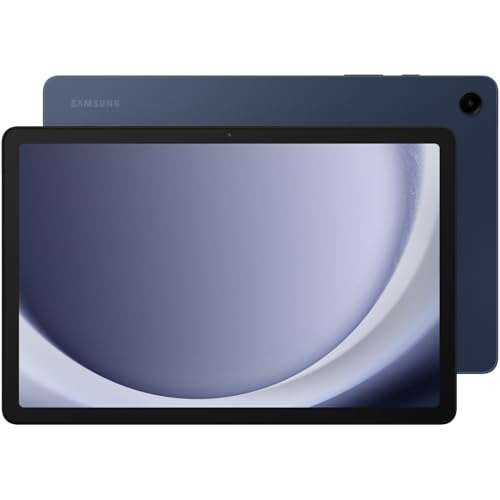
Samsung Galaxy Tab A9+ 11” 64GB Wi-Fi Android Tablet, Big Screen, Quad Speakers, Upgraded Chipset, Multi Window Display, Slim, Light, Durable Design, US Version, 2023, Navy (Renewed)


As an Amazon Associate we earn from qualifying purchases. Product prices and availability are accurate as of the date/time indicated.
The A9 label marks Samsung’s entry-level tablet line, which is an option for families who prefer Android. It suits older children who need a general tablet for videos, reading, and light games.
- Pro: An Android tablet works with a broad app store and with Google’s family tools for time limits and content filters.
- Pro: A mainstream brand makes cases, screen protectors, and accessories easy to find.
- Con: A general-purpose tablet lacks a kid-focused bundle, so parental controls need to be set up manually.
Skip it if you want a ready-made children’s mode with a durable case included in the box. Also pass if your child is very young and likely to drop the tablet often. Plan to add a rugged case and set up controls before the first use.
Which One Fits
- First tablet for a young child: Fire 7 Kids.
- Elementary-age child who watches and reads: Fire HD 8 Kids.
- Tween who wants a less babyish look: Fire HD 8 Kids Pro.
- Shared family viewing and drawing: Fire HD 10 Kids.
- Apple household with school-age children: Apple iPad (9th generation).
- Android household with a tween: Samsung Galaxy Tab A9.
- Movie night on the big wall instead of a small screen? See the kids projectors guide.
Common Mistakes
- Buying a tablet without a protective case and paying for it after the first drop.
- Skipping parental controls during setup, then trying to add rules later.
- Choosing too large a screen for a small child who will mostly use it in the car.
- Ignoring storage needs and running out of space for downloaded videos.
- Letting the tablet replace a bedtime routine, which can disrupt sleep.
FAQ
What age is a tablet appropriate for?
There is no single age. Many pediatric groups advise limiting screen time for the youngest children and focusing on interactive, high-quality content with a parent present. Co-viewing is the most useful habit for younger children, because talking about what is on screen turns passive viewing into learning.
Are kid-focused tablets better than regular ones?
They bundle a case and simple controls, which helps younger children. Older children often outgrow them and prefer a regular tablet with parental controls. Consider how long you expect to use the tablet, since a kid edition may be outgrown in two or three years while a regular tablet lasts longer.
Can a tablet be used at bedtime?
Many families avoid screens before bed. A quiet routine with a sound machine is a common substitute for younger kids. Setting a fixed screen cutoff an hour before sleep, and charging the tablet in another room, helps protect sleep for school-age children.
How do I protect the screen?
Use a tempered-glass protector and a thick case with a raised lip. Replace both when they show cracks. Clean the screen with a soft microfiber cloth and avoid harsh sprays, which can damage coatings on the glass.
Is a tablet better than a projector for movies?
A tablet is personal and portable, while a projector is better for group viewing. Read the kids projectors roundup to compare. Many families own both, using the tablet for solo trips and the projector for weekend family films.