Key takeaways
- Pro: All-weather positioning suits regions where winters are mild to moderate and a second set of tires is a hassle.
- Pro: A second-generation name suggests refinements over an earlier version of the line.
- Con: Tires built to handle all weather often trade away a little tread life or quietness compared with pure touring models.
Tucson owners often reach the same point around 40,000 miles: the factory tires are wearing out, the dealer quote feels high, and the choice between touring, performance all-season, and all-weather suddenly matters. A compact crossover spends most of its time on school runs and highways, so ride comfort, wet braking, and tread life usually outrank trail traction.
The six names below are broad all-season or all-weather lines for crossovers and SUVs. Tire sizes differ by Tucson trim and model year, so treat this as a shortlist, then match the size printed on your door placard and in the owner manual. Each note sticks to what the product name tells you. Tucson trims change by model year, so treat this 2026 list as a shortlist and verify your own size.
Quick Picks
| Product | Best for | Worth knowing |
|---|---|---|
| Michelin CrossClimate2 | Drivers wanting year-round use with light snow | Cross-climate naming points to all-weather intent |
| Michelin Defender2 | Long-mileage commuters | Defender line focuses on everyday touring |
| Continental CrossContact LX25 | Comfort-focused crossover drivers | CrossContact is Continental’s crossover family |
| Bridgestone Alenza Sport A/S | Drivers wanting a sportier all-season | A/S in the name marks all-season |
| Goodyear Assurance WeatherReady | Rain and winter-prone regions | WeatherReady signals weather-focused design |
| Pirelli Scorpion All Season Plus 3 | Drivers wanting a premium all-season | Scorpion is Pirelli’s SUV family |
How to Choose
Find the correct size on your placard
The tire size is printed on a sticker inside the driver’s door jamb and in the owner manual. A Tucson may be fitted with different wheel diameters depending on trim, such as 17-, 18-, or 19-inch options, so never assume. A good rule of thumb is to stay with the original diameter and load index, and to ask an installer before moving to a different size. Tires with a different load index or speed rating than the original can change handling and may affect warranty coverage, so match both numbers, not just the width and diameter.
Decide between all-season and all-weather
Standard all-season tires handle rain and light cold, but they are not built for regular snow. All-weather tires carry the three-peak mountain snowflake symbol, which signals a snow traction standard. If your winters bring more than occasional flurries, look for that symbol; otherwise, a well-rated all-season will give quieter, longer-lasting service. Regions with mixed winter weather, such as the Midwest and Northeast, often see the biggest benefit from the snowflake symbol, while Sun Belt drivers rarely need it.
Check the UTQG numbers and warranty
The Uniform Tire Quality Grade on the sidewall includes a treadwear number, a traction grade (AA, A, B, C), and a temperature grade. Higher treadwear numbers indicate longer expected life, and traction AA or A describes wet braking performance in a standardized test. Compare those figures and any mileage warranty between candidates rather than relying on brand names alone. Remember that treadwear grades are assigned by each maker, so they are most useful for comparing tires within the same brand rather than across brands.
Weigh noise, comfort, and efficiency
Touring-focused tires trade some sharp handling for quieter and more comfortable rides, and low rolling resistance can add range or help fuel economy. Sportier all-seasons feel more responsive but can be firmer. Match the tire to how you drive: highway commuters benefit from comfort, while owners in hilly or twisty areas may prefer a sportier feel. If you drive an electric or hybrid Tucson, low rolling resistance and quietness become even more valuable, since both affect range and cabin experience.
Our Picks Reviewed
Michelin CrossClimate2
The CrossClimate name signals an all-weather style intent, making it a fit for drivers who want one set to handle all four seasons in mixed conditions. Shoppers should confirm that the specific size they need carries the snowflake marking, since details can vary from size to size.
- Pro: All-weather positioning suits regions where winters are mild to moderate and a second set of tires is a hassle.
- Pro: A second-generation name suggests refinements over an earlier version of the line.
- Con: Tires built to handle all weather often trade away a little tread life or quietness compared with pure touring models.
Skip it if you live where heavy snow is routine and a dedicated winter tire is the safer path. Also pass if you want the longest possible mileage in warm climates, where a touring tire may last longer. Confirm the exact size for your Tucson trim. Compare against a touring tire if mileage matters most.
Michelin Defender2

MICHELIN Defender2 All-Season Tire, CUV, SUV, Cars and Minivans - 235/60R18/XL 107H


As an Amazon Associate we earn from qualifying purchases. Product prices and availability are accurate as of the date/time indicated.
The Defender line is a touring family focused on everyday driving, and the 2 marks the newer generation of that line. It appeals to commuters who want long life and dependable comfort. It tends to suit owners who keep a vehicle for a long time and want to buy tires once and forget about them.
- Pro: Touring-focused tires tend to prioritize tread life and quiet manners for daily driving.
- Pro: Suits families who rack up highway miles and want a set-and-forget choice.
- Con: Touring tires are less sporty, and not built for deep snow like an all-weather design.
Skip it if you want responsive steering for spirited driving or need winter capability beyond light snow. Also pass if you regularly see gravel roads, where a rugged all-terrain pattern may serve better. Check sizing for the Tucson trim first. Compare the mileage warranty carefully.
Continental CrossContact LX25

Continental CrossContact LX25 All Season 225/65R17 102T SUV/Crossover Tire | Truck/SUV Touring All Season Traction 102T Rated Standard Load Radial Construction Black Sidewall Tire


As an Amazon Associate we earn from qualifying purchases. Product prices and availability are accurate as of the date/time indicated.
CrossContact is the crossover and SUV family from Continental, and the LX designation suggests a luxury-touring orientation with an emphasis on comfort. Family drivers often value a quiet cabin on long trips, and this style of tire is usually chosen with that priority in mind.
- Pro: A crossover-specific family is designed around the weight and handling needs of vehicles like the Tucson.
- Pro: Comfort-focused touring tires usually suit family hauling and long drives.
- Con: Comfort-oriented tires may feel softer in corners than sport-focused designs.
Skip it if you want sharp handling or aggressive winter performance. Owners who tow or carry heavy loads should confirm load ratings, since touring tires differ in how they carry weight. Also check sizes for your wheel diameter before ordering. Compare the warranty with alternatives.
Bridgestone Alenza Sport A/S
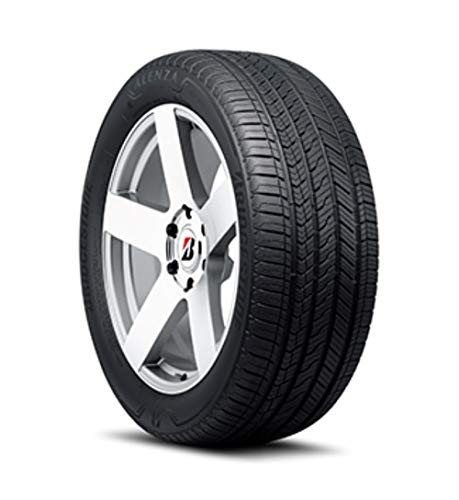
Bridgestone Alenza Sport A/S Run-Flat SUV Tire 275/45R20 110 H Extra Load | Truck/SUV Touring All Season Traction 110H Rated Extra Load Radial Construction Black Sidewall Tire
As an Amazon Associate we earn from qualifying purchases. Product prices and availability are accurate as of the date/time indicated.
The Alenza line is Bridgestone’s crossover and SUV family, and the Sport A/S name suggests a sportier all-season with a bit more emphasis on steering response. It is a reasonable pick for a driver who enjoys the Tucson on back roads and wants the steering to feel more direct than a standard touring tire.
- Pro: A sport-leaning all-season gives a more connected feel for drivers who enjoy winding roads.
- Pro: Part of a crossover-focused family, so sizing for popular SUVs is common.
- Con: Sport-oriented tires can ride firmer and may wear faster than touring options.
Skip it if comfort and mileage are your top priorities. A relaxed commuter with a family hauler may be happier in a touring design. Also pass if you want a snowflake-rated tire for real winter driving, and check that your Tucson size is offered before committing. Ask about road-hazard coverage.
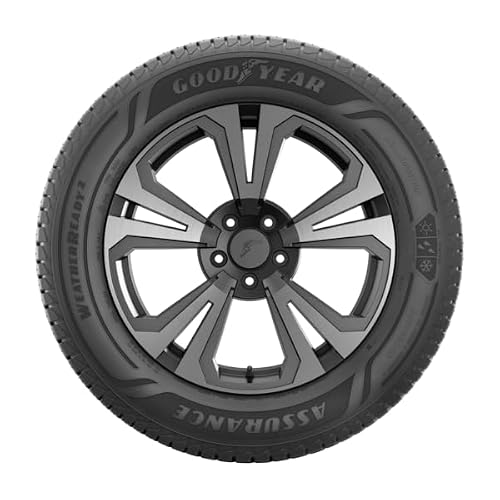
Goodyear Assurance WeatherReady

Goodyear Assurance WeatherReady 2 All-Season Radial Tire, 225/65R17, Single Tire

As an Amazon Associate we earn from qualifying purchases. Product prices and availability are accurate as of the date/time indicated.
The WeatherReady name signals a design intended for wet and wintry conditions, aimed at drivers who see regular rain and some cold-weather road challenges. The name also hints at an all-weather mindset, so it is worth reading the sidewall markings for your size before treating it as a winter substitute.
- Pro: Weather-focused positioning suits regions with rainy seasons and the occasional snowy week.
- Pro: Assurance is a mainstream line, so shops commonly stock popular sizes.
- Con: Weather-oriented tires may sacrifice some dry-road sharpness or tread life compared with a pure touring model.
Skip it if you live in a dry climate and would not use the weather-focused features. Also pass if you need deep-snow performance, where a studded or dedicated winter tire is the right tool. Verify the snowflake marking on your specific size before relying on it. Compare mileage warranties as well.
Pirelli Scorpion All Season Plus 3

Pirelli Scorpion All Season Plus 3 All Season 285/45R22 114H XL SUV/Crossover Tire


As an Amazon Associate we earn from qualifying purchases. Product prices and availability are accurate as of the date/time indicated.
Scorpion is Pirelli’s SUV and crossover family, and the All Season Plus 3 name marks it as the third generation of its all-season line. Owners choosing a premium tire usually do so for refinement, so it helps to check the installer’s experience with the brand and the specific size.
- Pro: A premium Italian brand often appeals to owners wanting a more refined, sportier character.
- Pro: Generation numbering hints at ongoing development of the product line.
- Con: Premium tires typically cost more than mainstream alternatives, and availability may be narrower at some shops.
Skip it if you prefer widely stocked, budget-friendly choices or want a tire with an explicit winter marking. Also pass if you want maximum mileage warranty above all else. Compare sizes and installer availability before ordering, especially for less common wheel diameters. Ask about the mileage warranty.
Which One Fits
- Year-round driver with occasional snow: Michelin CrossClimate2 or Goodyear Assurance WeatherReady.
- High-mileage commuter: Michelin Defender2 or Continental CrossContact LX25.
- Driver who enjoys corners: Bridgestone Alenza Sport A/S or Pirelli Scorpion All Season Plus 3.
- Family hauler who wants comfort: Continental CrossContact LX25.
- Planning weekend gravel trips: consider the all terrain tires guide instead.
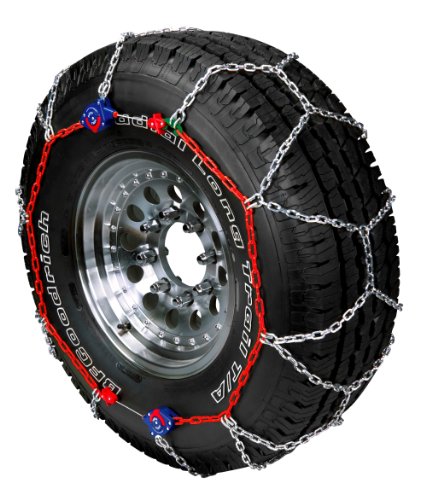
- Heading into mountain passes: pack tire chains that your manual permits.
Common Mistakes
- Choosing a size because it looks bigger without checking the door placard.
- Replacing only two tires on an all-wheel-drive Tucson when tread depths differ.
- Ignoring tire age, since rubber ages even when the tread looks fine.
- Buying a sporty tire for comfort-focused family driving.
- Skipping alignment and rotation after installation, which cuts tread life.
FAQ
What tire size does a Hyundai Tucson use?
It depends on trim and model year. Check the placard on the driver’s door jamb and your owner manual to be sure. Larger wheels often come with lower-profile tires, which can make the ride a bit firmer, so keep that in mind if you plan to change wheel size.
Are all-weather tires better than all-season?
All-weather tires add snow traction and carry the snowflake symbol, while all-season tires are generally quieter and longer-lasting in mild regions. Keep in mind that all-weather tires can wear a little faster in hot summers, so consider your local climate before choosing.
How often should I rotate Tucson tires?
A common interval is every 5,000 to 7,500 miles, or follow your owner manual. Rotation matters even more with all-wheel drive. A regular rotation also lets your installer check for uneven wear that could point to alignment or suspension problems.
Should I protect my Tucson’s paint while I am at it?
Many owners do a refresh while the tires are changed. Our ceramic coating roundup covers easy options. A coating is a good project for the same weekend, because the car is already clean and the wheels may be off for the swap.
Do I need new tires if the tread looks okay?
Check the tread depth and the date code. Tires older than about six years should be inspected by a professional even if tread remains. Look for small cracks in the sidewall and bulges, which can signal problems that tread depth alone does not show.