Our Short List of 3
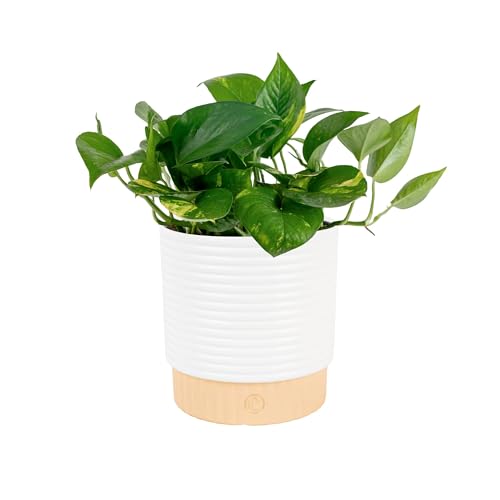

All 3 Picks at a Glance
| Product | Specs | Action |
|---|---|---|
| 1. Costa Farms Golden Pothos, Decorative Pot — Best All-Round First Vine | Check price on Amazon | |
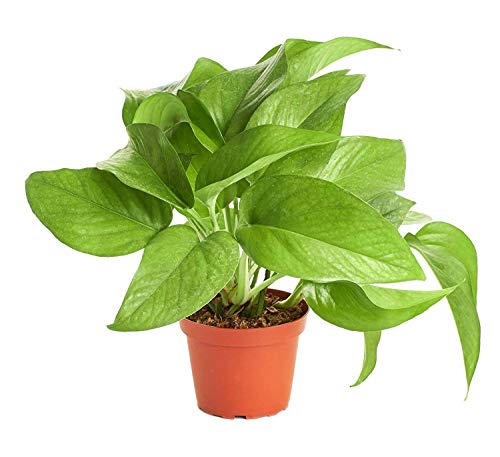
| 2. Shop Succulents Pothos Hanging Plant, 4-Inch Nursery Pot — Best for Hanging and Trailing | Check price on Amazon | |
| 4. Costa Farms Assorted Pothos, Decorative Pot — Best for a Grower’s-Choice Surprise | Check price on Amazon |
Key takeaways
- The best air purifying vines for indoors, from golden pothos to Brasil philodendron, with honest notes on what houseplants can and cannot do for your air, plus light and watering guidance.
As an Amazon Associate we earn from qualifying purchases.
Affiliate Disclosure: This article contains affiliate links. If you buy through a link on this page, we may earn a commission at no extra cost to you. Plant details are taken from the growers’ and sellers’ product listings, and we have not personally tested these plants.
A trailing vine does three jobs at once. It softens a hard shelf edge, it fills the empty vertical space that upright plants ignore, and — the reason these plants are famous — the classic vining houseplants were among the species studied in the well-known NASA Clean Air Study, which measured how potted plants and their root-zone microbes handled certain indoor volatile organic compounds in sealed test chambers. Golden pothos, English ivy and heartleaf philodendron all appeared in that research tradition, and all three are vines you can actually buy, hang and keep alive without specialist equipment.
This guide recommends four live vining plants sold on Amazon US by established growers, explains what each one does best, and is honest about the limits of the air purifying claim. A plant is not a mechanical air purifier, and this article will not pretend otherwise. What a healthy vine genuinely offers is a living, growing filter contribution at small scale, a measurable lift to a room’s humidity and feel, and a great deal of green for very little effort.
Quick Comparison
| Pick | Plant | Form as sold | Light tolerance | Best for |
|---|---|---|---|---|
| Costa Farms Golden Pothos, Decorative Pot | Epipremnum aureum | Potted plant, 12–14 inches tall as listed | Medium indirect, tolerates lower light | First vine, shelves and desks |
| Shop Succulents Pothos Hanging Plant | Epipremnum aureum, Devil’s Ivy | Hanging plant in 4-inch nursery pot, in soil | Bright indirect to moderate | Hanging baskets and long trails |
| Shop Succulents Brasil Philodendron | Philodendron hederaceum ‘Brasil’ | Hanging plant in nursery pot, trails 2–4 feet as listed | Bright indirect for best variegation | Colour and pattern on the trail |
| Costa Farms Assorted Pothos, Decorative Pot | Epipremnum, grower’s assortment | Potted plant, 12–14 inches tall as listed | Medium indirect, low maintenance | A surprise variety for collectors |
1. Costa Farms Golden Pothos, Decorative Pot — Best All-Round First Vine
If this guide had to keep only one plant, it would be a golden pothos, and Costa Farms is the largest and most consistent grower supplying the US houseplant market. This listing is for a live golden pothos (Epipremnum aureum, also sold as Devil’s Ivy) shipped in a decorative pot, listed at 12 to 14 inches tall on arrival, with air purification and drought tolerance named among its special features by the grower.
Golden pothos earned its reputation honestly. It was one of the plants in the NASA Clean Air Study work, where it was associated with removal of compounds including formaldehyde, benzene and xylene in chamber conditions. At home, its real virtues are toughness and growth: heart-shaped leaves marbled in gold, stems that root readily at the nodes, and a forgiving attitude to the occasional missed watering. Let it trail from a shelf, climb a moss pole for larger leaves, or take cuttings — a stem section in water roots so reliably that a single plant becomes a houseful within a couple of years.
Costa Farms lists the plant for medium, indirect light. In practice golden pothos tolerates lower light than most houseplants, but the gold variegation fades towards plain green when light is poor, and growth slows to a crawl. A bright room out of direct midday sun is the sweet spot. Water when the top of the soil has dried, and expect the leaves to droop slightly as a thirst signal — they recover quickly after watering, which makes this an unusually communicative plant for beginners.
Two cautions belong in every pothos recommendation. First, pothos contains calcium oxalate crystals and is toxic if chewed, so hang it out of reach of pets and small children — the trailing habit makes this easy to arrange. Second, the decorative pot format means you should check drainage on arrival and avoid leaving the plant standing in water, the one mistake this species genuinely dislikes.
2. Shop Succulents Pothos Hanging Plant, 4-Inch Nursery Pot — Best for Hanging and Trailing
This is the same beloved species in the format vines are really for: a hanging plant in a 4-inch nursery pot, planted in soil, sold by Shop Succulents with air purification listed among its special features. The seller describes glossy, heart-shaped leaves and long trailing growth, and the hanging format lets the stems find their natural length down a bookcase side, from a ceiling hook or along a curtain rail.
Why choose this over the Costa Farms pot if the species is the same? Starting format shapes the plant you end up with. A nursery-pot hanging plant goes straight into your own basket or macramé hanger, the nursery pot slips inside a decorative outer pot without the root disturbance of repotting on day one, and a plant bought for trailing tends to arrive with its stems already oriented for the job. The seller also includes care instructions and gift-ready packaging according to the listing, which makes this the version to send to a new plant owner.
Set expectations correctly on arrival size, because marketplace reviews for starter vines regularly include buyers surprised by modest beginnings. A young pothos in a 4-inch pot is a starting point, not a finished curtain of green. The good news is that pothos is one of the fastest-filling vines in ordinary home conditions: feed lightly during the growing season, keep it in bright indirect light, and pinch or propagate the longest stems to encourage a fuller plant rather than a few bare strings. Cuttings root in water on a windowsill and can be potted back into the same container to thicken it.
Care matches the species generally: moderate water, soil that drains freely, and no direct scorching sun. Keep it away from pets and children for the same oxalate reason as every pothos, and rotate a hanging plant a quarter turn now and then so one side does not do all the growing towards the light.
3. Shop Succulents Brasil Philodendron — Best for Colour and Pattern
ASIN: B0CSF2N7SV
The Brasil is a cultivar of heartleaf philodendron, Philodendron hederaceum, and it brings something pothos cannot: bold chartreuse and lime striping down the centre of every heart-shaped leaf. Shop Succulents sells it as a hanging plant in a nursery pot, in soil, with air purification among its listed special features and trailing growth of 2 to 4 feet described in the listing. Of the picks here, it is the one visitors ask about.
Heartleaf philodendron is the other great name from the clean air research tradition — philodendron species were studied alongside pothos and ivy — and in the home it is arguably the most elegant trailer of the group, with finer stems and a softer drape than pothos. The Brasil cultivar keeps all of that manners and adds the variegation, provided you give it the light variegation demands. In dim conditions a Brasil quietly reverts towards plain green as new leaves come in with less striping; in bright indirect light the lime centres stay vivid. This is the pick that rewards the best seat by the window, though never direct midday sun, which scorches the pale leaf centres first.
Watering and feeding follow the family pattern: water when the surface soil dries, keep the mix free-draining, and expect steady rather than explosive growth. The stems trail gracefully from a hanging pot, or you can train them along a shelf edge with small clips for a living garland effect that pothos, with its sturdier stems, does less delicately.
The cautions mirror the pothos entries. Philodendron is also an oxalate plant, so the same keep-out-of-reach rule applies for pets and children. And because Brasil is a named cultivar, propagate from cuttings that carry the striping — a plain green shoot that appears on the plant will not regain the pattern, so prune green reversions out to keep the plant true to type.
4. Costa Farms Assorted Pothos, Decorative Pot — Best for a Grower’s-Choice Surprise
Costa Farms also sells pothos as a grower’s-choice assortment, and this listing is exactly that: one live pothos in a decorative pot, 12 to 14 inches tall as listed, drawn from a rotating selection that the grower says can include varieties such as Golden Pothos, Baltic Blue or Amplissimum, with air purification and low maintenance listed among its features.
An assortment listing will not suit a buyer who wants one specific cultivar, and this guide will not pretend it does. Its appeal is different. Baltic Blue, with its deep blue-green leaves that develop splits as they mature, and Amplissimum, with its long silver-striped foliage, are both harder to find than the standard golden type, and both trail and climb with the same pothos constitution. For a collector who already owns a golden pothos, the assortment is a reasonable way to add texture and leaf shape variety while keeping one simple care routine for the whole shelf — every plant in the possible mix wants the same medium indirect light, the same water-when-dry rhythm and the same free-draining soil.
Treat the purchase as a pleasant lottery with a guaranteed floor: the worst realistic outcome is a healthy golden pothos, which is pick number one in this guide anyway. The same arrival checks apply as for any shipped live plant — open the box promptly, check the soil moisture, give the plant a drink if it is dry, and let it acclimatise in indirect light for a few days before judging its appearance, because shipped plants commonly drop a leaf or two while they settle.
As with all pothos, keep the plant away from chewing pets and children, check that the decorative pot is not holding standing water, and plan for growth: whichever variety arrives, it is a vine, and within a season it will want somewhere to go.
What Air Purifying Actually Means for a Houseplant
Honesty in this section protects every recommendation above it, so here it is in full.
The NASA Clean Air Study of 1989 placed potted plants in small sealed chambers, introduced specific volatile organic compounds, and measured reductions over a day. Plants including golden pothos, English ivy and philodendron performed well in that setting, with the soil and root-zone microbes doing a meaningful share of the work. The study was designed for space station air systems, and its results are real — for a sealed chamber.
A living room is not a sealed chamber. Doors open, ventilation runs, and the air volume is vastly larger, so the number of plants needed to match a chamber result at room scale is far beyond what anyone hangs in baskets. Later reviews of the research have made this point clearly, and any seller who implies that one vine will scrub a home’s air is overselling.
What remains true, and worth buying, is more modest and more human. A collection of healthy vines contributes a small, continuous biological filtration at the leaf and root zone. Plants release moisture as they grow, which most people experience as more comfortable air in heated or air-conditioned rooms. And the measured psychological effect of living greenery — the reason offices and hospitals keep adding plants — does not depend on chamber mathematics at all. Buy these vines because they are beautiful, forgiving, living things that grow. Let the air story be a genuine but modest bonus, and if your home has a real air quality problem, solve that with ventilation and a mechanical purifier, then enjoy your plants alongside it.
Choosing and Placing Your Vines
Light first. Every pick in this guide wants bright to medium indirect light. Variegated plants — the golden pothos and the Brasil — need the brighter end of that range to keep their colour. A north or east facing room suits most homes; a south or west window works with the plant set back from the glass or behind a sheer curtain.
Hanging versus climbing. Trailing is the default and the easiest: a hook, a basket, gravity. Climbing a moss pole or trellis produces larger, more mature leaves on pothos and philodendron, at the cost of floor or table space. Many owners do both — one plant trailing from a shelf, its sibling climbing beside it — from cuttings of a single purchase.
Group for effect. Vines look best in odd numbers and at different heights. The comparison table above is, accidentally, a planting plan: a golden pothos on the shelf, a hanging pothos at the window, a Brasil where its striping catches the light, and an assorted pothos wherever the surprise lands.
Pets and children. Pothos and philodendron are both toxic if chewed. The trailing habit is your friend here — a hanging vine is naturally out of reach — but do not place these plants where a determined cat can climb to them, and choose a different plant family entirely for floor-level pots in a house with grazing pets.
Arrival and First-Month Care for Shipped Vines
Live plants travel well when they are packed by growers who ship them constantly, as both sellers in this guide do, but the first week still decides how fast a plant settles. Open the box the day it arrives. Check the soil: water thoroughly if dry, leave it alone if moist. Expect a shipped vine to look slightly tired and possibly to drop a yellow leaf — that is travel, not failure. Keep it in indirect light, away from heating vents and cold drafts, and resist repotting for at least a month; the nursery or decorative pot it arrived in is the right size for its roots today.
After that first month, the routine settles into the rhythm these species are famous for: water when the top soil dries, feed lightly in spring and summer, prune or propagate any stem that outgrows its welcome, and wipe dusty leaves now and then — a dusty leaf photosynthesises poorly, and clean leaves are also the ones doing whatever air work the plant can do.
Winter is the quiet season. Growth slows, watering intervals stretch, and the correct response to a vine doing very little in January is patience rather than fertiliser. Growth resumes with the light in spring, and a plant bought now will be at its best exactly when the room needs it most.
Frequently Asked Questions
How many vines do I need to purify my room’s air?
More than is practical, if a mechanical purifier’s output is your benchmark — see the honest section above. Buy vines for growth, humidity, looks and a modest biological contribution, and use ventilation or a purifier for measurable air cleaning.
Which of these vines is safest around pets?
None of the four. Pothos and philodendron both contain calcium oxalate crystals and should be hung out of reach. If a plant must sit within a pet’s reach, choose a genuinely pet-safe species instead of any pick in this guide.
Which vine grows fastest?
Golden pothos, in either of its two formats here. In bright indirect light with regular watering it extends stems quickly through the growing season, and its cuttings root in water with almost no failures, so it also multiplies fastest.
Can these vines live in a bathroom?
Yes, and a bright bathroom is often the best room in the house for them: humidity suits all four picks, and a hanging pothos or Brasil above a bath is a classic arrangement. A windowless bathroom is the exception — no vine in this guide will thrive long-term without light.
What if my plant arrives damaged or dead?
Photograph it on arrival and contact the seller promptly through Amazon. Growers who ship live plants at volume handle transit claims routinely, and a plant that arrives truly dead is a shipping failure, not a reflection of the species.
Verdict
The best air purifying vine for most homes is the Costa Farms golden pothos: the most forgiving plant in this guide, from the most reliable grower, in a pot that goes straight onto the shelf. Add the Shop Succulents hanging pothos when you want length and drape, the Brasil philodendron when you want colour, and the Costa Farms assortment when you are ready for a collector’s surprise. None of them will replace an air purifier, and this guide has not claimed otherwise — but as living, trailing, quietly useful greenery, these four vines earn their shelf space many times over.