Our Short List of 3
All 5 Picks at a Glance
| Product | Specs | Action |
|---|---|---|
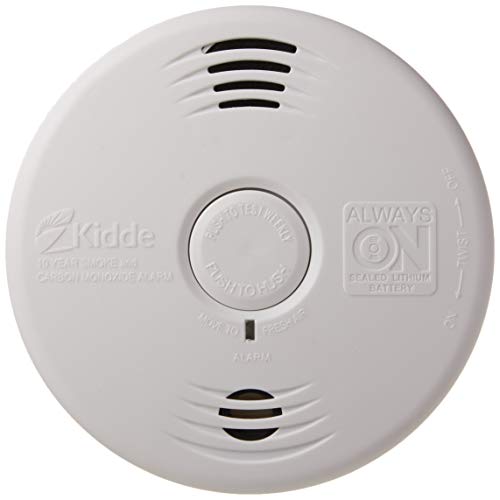 1. Kidde P3010CU | Check price on Amazon | |
 2. First Alert SCO500 | Check price on Amazon | |
 3. X-Sense SC07 | Check price on Amazon | |
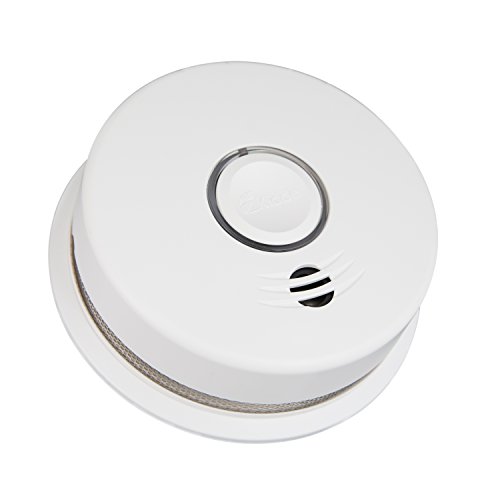 4. Kidde P4010DCSCO-W | Check price on Amazon | |
 5. Kidde 30CUD10, 4-pack | Check price on Amazon |
Key takeaways
- Best smoke and carbon detectors: five combo alarms compared on sensor type, battery life, voice alerts, interconnect and display for home safety.
Disclosure: As an Amazon Associate, this site may earn from qualifying purchases made through links on this page.
Intro
A smoke alarm and a carbon monoxide alarm do two different jobs, and a combo detector does both in one box on the ceiling. Smoke rises from a fire and needs a sensor that sees the particles in the air, while carbon monoxide is a colourless, odourless gas that comes from fuel-burning appliances and needs a chemical sensor that reads the gas level. A combo alarm watches for both, and the models in this guide are the combo alarms that builders and homeowners keep buying: a Kidde voice-alert unit with a sealed ten-year battery, a First Alert unit that links wirelessly to the other alarms in the house, an X-Sense unit with a display that shows the carbon monoxide level, and a four-pack for covering a whole home in one order.
Every pick here is a combo detector, which is what the keyword asks for. A smoke-only alarm does not belong in this guide, and a carbon monoxide-only alarm does not either. Each unit combines a photoelectric smoke sensor with an electrochemical carbon monoxide sensor, so one device covers the two hazards that most often send people to the hospital at night.
One thing to settle before you buy: count the rooms. A home needs an alarm in every bedroom, outside every sleeping area, and on every level, and a combo alarm on the ceiling of each of those rooms is the simplest way to meet that. A four-pack covers a small home in one box, and an interconnecting set links the alarms so that one alarm sounding wakes the whole house.
At a Glance
- Kidde P3010CU — voice alerts, ten-year sealed battery, 85 dB horn, photoelectric smoke plus carbon monoxide.
- First Alert SCO500 — wireless interconnect, voice plus location, battery powered, photoelectric smoke plus carbon monoxide.
- X-Sense SC07 — LCD display showing the carbon monoxide level, ten-year sealed battery, photoelectric smoke plus carbon monoxide.
- Kidde P4010DCSCO-W — wireless interconnect with voice alerts, ten-year sealed battery, photoelectric smoke plus carbon monoxide.
- Kidde 30CUD10, 4-pack — four combo alarms in one box, ten-year battery, LED warning lights, photoelectric smoke plus carbon monoxide.
How to Choose
Begin with the sensor type, because it decides what the alarm can catch. A photoelectric sensor watches for the large particles that a smouldering fire gives off, and it is the sensor that suits bedrooms and hallways. An ionisation sensor reacts faster to the small particles from a flaming fire, and it belongs in a room with a flaming fire risk. Every combo alarm in this guide uses a photoelectric smoke sensor, which is the sensor type that suits a bedroom ceiling, and an electrochemical carbon monoxide sensor, which reads the gas level and alarms when it crosses a threshold.
The carbon monoxide sensor is the part that separates a good combo alarm from a poor one. An electrochemical sensor reads the gas concentration and holds its accuracy for the life of the unit, and the better units show the level on a display so you can see a reading well before the alarm sounds. The X-Sense SC07 in this guide has that display, and it is the pick for a home with a fuel-burning appliance where a low-level reading is worth watching.
Battery life decides how often you touch the alarm. A ten-year sealed lithium battery means the alarm runs for a decade without a battery change, and the whole unit is replaced when the battery ends. That suits a ceiling mount that is hard to reach. A unit that takes AA batteries, like the First Alert SCO500, needs new batteries on a schedule, and it suits a spot that is easy to reach. Either way, the alarm sounds a low-battery chirp well before the battery ends, and the button on the face lets you confirm the horn sounds.
Interconnect decides whether one alarm can wake the whole house. A wireless interconnect links the alarms so that when one sounds, they all sound, and the voice models name the room where the hazard began. That matters at night, when the alarm that sounds first may be on another level. A hardwired interconnect does the same thing through the house wiring, and a battery-powered unit with wireless interconnect does it without new wiring. The First Alert SCO500 and the Kidde P4010DCSCO-W both interconnect wirelessly, and they are the picks for a multi-level home.
Placement is the detail that causes the most confusion. An alarm belongs on the ceiling or high on a wall in every bedroom, outside every sleeping area, and on every level of the home, including the basement. A combo alarm also belongs near a fuel-burning appliance, such as a furnace, a water heater, or a gas stove, and in a hallway that leads to an attached garage. It does not belong in a kitchen, where steam and cooking smoke cause nuisance alarms, or in a bathroom, where steam does the same. Keep the alarm at least three metres from a cooking appliance and away from a window or a vent that blows air across the sensor.
Voice alerts are worth more than they look. A standard alarm sounds a horn, and you have to work out which hazard it means. A voice alarm says the hazard out loud — smoke or carbon monoxide — and names the room when it interconnects. That saves seconds at night, and seconds matter.
The Picks
1. Kidde P3010CU
The Kidde P3010CU is the voice-alert combo alarm that anchors this guide, and it is the pick for a bedroom ceiling where a spoken warning beats a horn alone. A photoelectric smoke sensor and an electrochemical carbon monoxide sensor sit in one unit with a ten-year sealed lithium battery, and the unit speaks the hazard out loud when it alarms. The horn sounds at 85 dB, and the unit mounts on the ceiling with a twist-lock base.
The voice is the difference that matters. When the alarm sounds, it says whether the hazard is smoke or carbon monoxide, and that removes the guesswork at three in the morning. The ten-year sealed battery means no battery changes for a decade, and the unit chirps when the battery runs low. The photoelectric sensor suits a bedroom, where a smouldering fire is the risk that needs catching early.
The honest catch is the lack of interconnect. The P3010CU is a standalone unit, so it sounds alone and does not wake the alarms on other levels. For a single room or a small flat, that is enough. For a multi-level home, the interconnecting picks in this guide do more. Check the Kidde P3010CU on Amazon
Who it suits: a bedroom or a small flat where a spoken warning and a ten-year battery are the priorities. Keep in mind: standalone, with no wireless link to other alarms in the house.
2. First Alert SCO500
The First Alert SCO500 is the interconnecting combo alarm in this guide, and it is the pick for a home where one alarm sounding should wake every room. A photoelectric smoke sensor and a carbon monoxide sensor sit in one unit with OneLink wireless interconnect, and the unit speaks the hazard and the location out loud when it alarms. Two AA batteries power the unit, and it links with other OneLink alarms so that the whole set sounds together.
The location naming is the feature that justifies its place. When an alarm in the basement sounds, the unit in the bedroom says the location, and you know where the hazard is without walking the house. The wireless link needs no new wiring, so the set suits a home that was built before interconnecting alarms were standard. The unit also pairs with the First Alert app, which sends a phone alert when an alarm sounds while you are away.
The honest catch is the battery. Two AA batteries power the unit, and they need changing on a schedule, unlike the ten-year sealed batteries in the other picks here. The unit is also wider than a standard alarm, so check the ceiling space before you order. Check the First Alert SCO500 on Amazon
Who it suits: a multi-level home where every alarm should sound together and name the room. Keep in mind: two AA batteries need changing on a schedule, and the unit is wider than a standard alarm.
3. X-Sense SC07
The X-Sense SC07 is the combo alarm with a display, and it is the pick for a home with a fuel-burning appliance where seeing the carbon monoxide level matters. A photoelectric smoke sensor and a Figaro electrochemical carbon monoxide sensor sit in one unit with a ten-year sealed lithium battery, and an LCD on the face shows the carbon monoxide level in parts per million. The horn sounds at 85 dB, and the unit mounts on the ceiling with a twist-lock base.
The display is the difference that matters. A standard alarm stays silent until the gas crosses the alarm threshold, and you never know the level below it. The SC07 shows the level as it rises, so a reading that climbs over days tells you to check the appliance before the alarm ever sounds. The ten-year sealed battery means no battery changes for a decade, and the unit chirps when the battery runs low.
The honest catch is the lack of interconnect. The SC07 is a standalone unit, so it sounds alone. For a room with a furnace or a water heater, the display is worth more than the link. For a multi-level home, pair it with an interconnecting pick from this guide. Check the X-Sense SC07 on Amazon
Who it suits: a room with a fuel-burning appliance where a visible carbon monoxide reading is the priority. Keep in mind: standalone, with no wireless link to other alarms in the house.
4. Kidde P4010DCSCO-W
The Kidde P4010DCSCO-W is the interconnecting Kidde in this guide, and it is the pick for a home that wants Kidde voice alerts on every level. A photoelectric smoke sensor and an electrochemical carbon monoxide sensor sit in one unit with a ten-year sealed lithium battery and wireless interconnect, and the unit speaks the hazard out loud when it alarms. The horn sounds at 85 dB, and the unit links with other Kidde wireless alarms so that the whole set sounds together.
The combination of a ten-year battery and a wireless link is what sets this unit apart from the P3010CU. It speaks the hazard, it runs for a decade without a battery change, and it wakes the whole house when one alarm sounds. The voice also names the hazard, which removes the guesswork at night. The unit mounts on the ceiling with a twist-lock base, and the battery is sealed, so there is no battery door to open by mistake.
The honest catch is the pack size. The unit sells singly, so covering a home takes several orders, and the wireless link only works with other Kidde wireless alarms. Check that the other alarms in your home are Kidde wireless models before you mix them. Check the Kidde P4010DCSCO-W on Amazon
Who it suits: a multi-level home that wants Kidde voice alerts and a ten-year battery on every level. Keep in mind: sold singly, and the wireless link works only with other Kidde wireless alarms.
5. Kidde 30CUD10, 4-pack
The Kidde 30CUD10 four-pack is the whole-home pick in this guide, and it is the pick for a buyer who wants to cover four rooms in one order. Each unit combines a photoelectric smoke sensor with an electrochemical carbon monoxide sensor and a ten-year battery, and LED warning lights on the face show the alarm state at a glance. The horn sounds at 85 dB, and the four units in the box cover a small home or a single level in one order.
The pack is the difference that matters. Buying four units together covers the bedrooms and the hallway in one order, and the same model on every ceiling means the same voice, the same battery life, and the same mounting base throughout the home. The LED lights show which hazard triggered the alarm, which helps when the horn stops and you need to know what happened.
The honest catch is the lack of interconnect and voice. These are standalone units with LED lights rather than spoken alerts, so they sound alone and do not name the hazard out loud. For a small home where every room is within earshot, that is enough. For a multi-level home, the interconnecting picks in this guide do more. Check the Kidde 30CUD10 4-pack on Amazon
Who it suits: a small home or a single level where four alarms in one order cover every room. Keep in mind: standalone units with LED lights, no voice and no wireless link.
Comparison Table
| Model | Smoke sensor | Carbon monoxide sensor | Power | Interconnect | Pack |
|---|---|---|---|---|---|
| Kidde P3010CU | Photoelectric | Electrochemical | 10-year sealed battery | None | 1 |
| First Alert SCO500 | Photoelectric | Electrochemical | 2 AA batteries | OneLink wireless | 1 |
| X-Sense SC07 | Photoelectric | Electrochemical | 10-year sealed battery | None | 1 |
| Kidde P4010DCSCO-W | Photoelectric | Electrochemical | 10-year sealed battery | Kidde wireless | 1 |
| Kidde 30CUD10 | Photoelectric | Electrochemical | 10-year battery | None | 4 |
Which One Fits Your Situation
- A bedroom ceiling where a spoken warning matters: the Kidde P3010CU, because it says the hazard out loud and runs for ten years without a battery change.
- A multi-level home where every alarm should sound together: the First Alert SCO500, because OneLink wireless interconnect links the set and names the room.
- A room with a furnace or a water heater: the X-Sense SC07, because the display shows the carbon monoxide level as it rises.
- A Kidde home that wants voice alerts on every level: the Kidde P4010DCSCO-W, because it combines a ten-year battery with a wireless link and a spoken warning.
- Four rooms in one order: the Kidde 30CUD10 four-pack, because one box covers a small home with the same model on every ceiling.
FAQ
How many combo alarms does a home need?
One in every bedroom, one outside every sleeping area, and one on every level, including the basement. A small home needs four or five alarms, and a larger home needs more. Count the rooms before you order, and buy the pack size that covers them.
Where should I mount a combo alarm?
On the ceiling or high on a wall in each bedroom, outside each sleeping area, and on every level. Place one near a fuel-burning appliance, such as a furnace, a water heater, or a gas stove, and in a hallway that leads to an attached garage. Keep it away from kitchens and bathrooms, where steam causes nuisance alarms.
What is the difference between a photoelectric and an ionisation smoke sensor?
A photoelectric sensor watches for the large particles that a smouldering fire gives off, and it suits bedrooms and hallways. An ionisation sensor reacts faster to the small particles from a flaming fire. Every alarm in this guide uses a photoelectric sensor, which is the type that suits a bedroom ceiling.
How does a carbon monoxide sensor work?
An electrochemical sensor reads the gas concentration and alarms when it crosses a threshold. The better units show the level on a display, so you can see a reading well before the alarm sounds. Carbon monoxide is colourless and odourless, so a sensor is the only way to know it is there.
How often should I press the button on the alarm?
Once a month. The button confirms the horn sounds and the unit has power. The alarm also sounds a low-battery chirp when the battery runs low, and a sealed ten-year battery means no battery changes for a decade.
Do I need an interconnecting alarm, or is a standalone unit enough?
A standalone unit is enough for a single room or a small flat where every alarm is within earshot. An interconnecting set is worth it for a multi-level home, where an alarm on another level may not wake you. When one interconnecting alarm sounds, they all sound, and the voice models name the room.
Final Take
The best combo alarms share the same shape: a photoelectric smoke sensor, an electrochemical carbon monoxide sensor, and a battery that lasts for years. The Kidde P3010CU is the pick when a spoken warning matters in a single room, the First Alert SCO500 is the pick when every alarm should sound together and name the room, and the X-Sense SC07 is the pick when a visible carbon monoxide reading matters near a fuel-burning appliance. The Kidde P4010DCSCO-W brings the voice and the wireless link together with a ten-year battery, and the Kidde 30CUD10 four-pack covers a small home in one order.
Before you order, count the rooms, check the ceiling space, and confirm the alarms in your home use the same interconnect system. An alarm that fits the room is an alarm that stays on the ceiling for a decade, and that is exactly the point.